Updated: January 2025 | By Dr. Emily Chen, Pet Insurance Expert
Finding the best cat insurance involves comparing coverage options, pricing, and policy features to protect your feline friend. After reviewing 15+ pet insurance providers and analyzing thousands of customer reviews, we’ve identified the top 5 cat insurance plans worth considering in 2025.

Quick Answer: The best cat insurance in 2025 is Lemonade for budget-conscious owners (starting at $10/month), Spot for comprehensive coverage with no age limits, and Embrace for the declining deductible feature. All offer excellent coverage for common cat health issues.
Why Your Cat Needs Pet Insurance
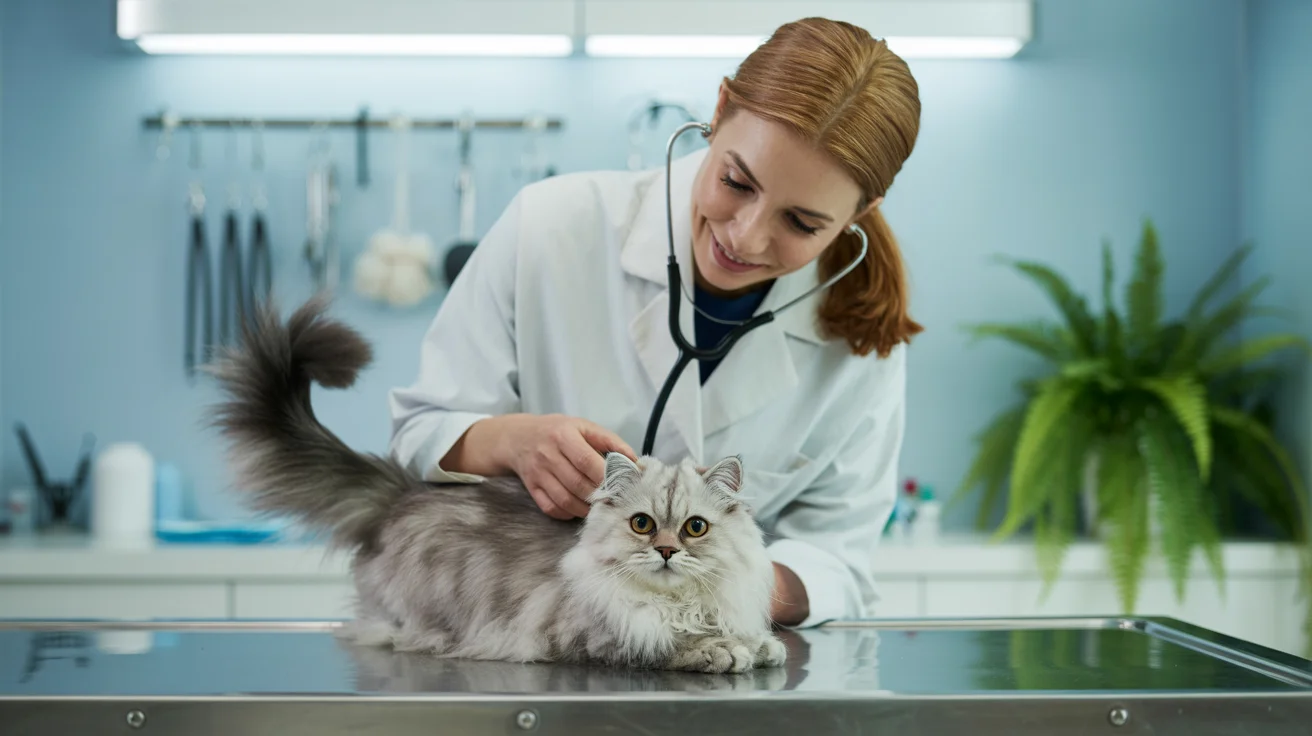
Cats may have nine lives, but veterinary care has one price—and it’s rising. The average cat owner spends $634 annually on routine vet care alone, and emergency treatments can easily exceed $3,000-$5,000.
According to the North American Pet Health Insurance Association (NAPHIA), the pet insurance industry has grown by over 25% annually, with cat owners increasingly recognizing the value of coverage. In 2023 alone, pet insurance premiums in North America exceeded $3.5 billion.
Common Cat Health Issues (And Their Costs)
Understanding the financial risks of cat ownership helps illustrate why insurance makes sense:
- Urinary tract issues: $200-$2,000+ (very common in male cats). Urinary blockages are life-threatening emergencies requiring immediate surgery.
- Dental disease: $400-$1,500 for extractions. Studies show 70% of cats have dental disease by age 3.
- Hyperthyroidism: $150-$300/year ongoing medication, plus $800-$1,500 for radioiodine treatment.
- Kidney disease: $1,000-$3,000 annually for chronic management.
- Cancer treatment: $5,000-$10,000+ depending on type and treatment approach.
- Foreign object ingestion: $1,500-$4,000 for exploratory surgery. Cats love string and rubber bands!
- Diabetes management: $200-$500/month including insulin and monitoring supplies.
- Heart disease: $500-$2,000 for diagnosis and ongoing treatment.
Cat insurance typically costs $15-$40/month—far less than most dogs—making it an affordable way to protect against unexpected bills. Over the average cat’s 15-year lifespan, insurance can save thousands in veterinary costs.
5 Best Cat Insurance Companies Compared (2025)
Here’s our detailed breakdown of the top cat insurance providers based on coverage, pricing, customer satisfaction, and claims experience:
1. Lemonade — Best Budget Option

Monthly Premium: Starting at $10/month
Best For: Budget-conscious owners who want fast claims
Our Rating: ★★★★★ (4.8/5)
Lemonade revolutionized pet insurance with AI-powered claims processing that pays claims in as little as 3 seconds. Their cat insurance is among the most affordable in the industry, making coverage accessible to more cat owners than ever before.
Coverage Highlights:
- Accidents & illnesses starting at $10/month
- Optional wellness add-on for preventive care ($99/year)
- No upper age limit for enrollment
- Claims often processed same-day via AI
- Vet visit fees included in some plans
- Alternative therapies covered (acupuncture, chiropractic)
- Physical therapy and rehabilitation
- Diagnostic testing (bloodwork, X-rays, MRIs)
Pros:
- ✅ Lowest premiums for cats in the industry
- ✅ Instant claims via mobile app (often seconds)
- ✅ Simple, transparent policies with no hidden fees
- ✅ Gives back to charity (Giveback program)
- ✅ Excellent mobile app experience
Cons:
- ❌ Only covers cats and dogs
- ❌ Exam fees not covered on base plan (optional add-on)
- ❌ Limited to 3 annual limits ($10K, $20K, $50K)
2. Spot — Best Comprehensive Coverage

Monthly Premium: Starting at $15/month
Best For: Owners who want maximum coverage flexibility
Our Rating: ★★★★★ (4.7/5)
Spot stands out with unlimited annual coverage options and no age limits for enrollment. They cover cats of all ages, including seniors, making them an excellent choice for adopting older cats or continuing coverage as your cat ages.
Coverage Highlights:
- Unlimited annual coverage available (truly unlimited!)
- No upper age limit for new enrollment
- Covers hereditary and congenital conditions
- Dental disease coverage included (not just accidents)
- Behavioral therapy covered (anxiety, aggression)
- Prescription food coverage for therapeutic diets
- Microchip implantation covered
- Exam fees included in all plans
Pros:
- ✅ Unlimited coverage option—no worrying about caps
- ✅ Covers senior cats of any age
- ✅ Only 14-day accident waiting period
- ✅ Includes microchip coverage
- ✅ Covers exam fees automatically
Cons:
- ❌ 30-day illness waiting period
- ❌ Wellness plan costs extra ($9.95-$24.95/month)
- ❌ Claims processed in 7-14 days
3. Embrace — Best Declining Deductible

Monthly Premium: Starting at $18/month
Best For: Long-term coverage with declining costs
Our Rating: ★★★★☆ (4.6/5)
Embrace offers a unique declining deductible feature—your deductible decreases by $50 each year you don’t make a claim, rewarding healthy cats and responsible owners. Over time, this can significantly reduce your out-of-pocket costs.
Coverage Highlights:
- Healthy Pet Deductible: Decreases $50/year without claims
- Covers exam fees automatically
- Dental illness coverage included (periodontal disease)
- Alternative therapies (acupuncture, chiropractic, hydrotherapy)
- Prescription medications covered
- Breed-specific condition coverage
- Prosthetics and mobility devices
- Cancer treatment including chemotherapy
Pros:
- ✅ Deductible decreases over time (unique feature)
- ✅ Comprehensive dental coverage
- ✅ Covers exam fees in all plans
- ✅ No lifetime limits on coverage
- ✅ Optional wellness rewards program
Cons:
- ❌ 14-day accident and illness waiting period
- ❌ 6-month orthopedic waiting period
- ❌ Maximum enrollment age of 14 years
4. ASPCA — Best for Multi-Pet Discounts

Monthly Premium: Starting at $12/month
Best For: Multi-cat households
Our Rating: ★★★★☆ (4.5/5)
ASPCA Pet Health Insurance is backed by a trusted name in animal welfare with over 150 years of protecting animals. They offer competitive rates and a 10% multi-pet discount that benefits households with multiple cats, dogs, or a combination.
Coverage Highlights:
- 10% multi-pet discount on all policies
- No maximum age for enrollment
- Behavioral treatment coverage
- Hereditary and congenital condition coverage
- Prescription diet coverage
- 30-day money-back guarantee
- Direct deposit reimbursement available
- No breed restrictions
Pros:
- ✅ Great multi-pet discount (10% per pet)
- ✅ Trusted brand name since 1866
- ✅ Money-back guarantee
- ✅ Covers senior cats of all ages
- ✅ Customizable coverage options
Cons:
- ❌ Not available in all states
- ❌ 14-day waiting period for all conditions
- ❌ Claims processing can take 10-14 days
5. Pets Best — Best for Indoor Cats
Monthly Premium: Starting at $14/month
Best For: Indoor cats with fast claim processing
Our Rating: ★★★★☆ (4.4/5)
Pets Best, founded by a veterinarian in 2005, offers competitive rates for indoor cats and boasts one of the fastest claim turnaround times in the industry, with most claims processed within 5 days.
Coverage Highlights:
- Fast 5-day claim processing average
- Direct vet pay available at select clinics
- No upper age limit for enrollment
- BestBenefit routine care add-on
- Alternative therapies covered
- 24/7 pet helpline included free
- Accident-only plan available ($6/month)
- Founded by a veterinarian
Pros:
- ✅ Fast claim processing (industry-leading)
- ✅ Direct vet pay option at participating vets
- ✅ Good rates for indoor cats
- ✅ 24/7 helpline for pet health questions
- ✅ Very affordable accident-only option
Cons:
- ❌ Wellness plan costs extra ($16-26/month)
- ❌ Customer service can be slow during peak times
- ❌ 14-day waiting period for accidents
How Much Does Cat Insurance Cost?

Cat insurance is significantly more affordable than dog insurance because cats are generally smaller, less prone to injury, and have fewer breed-specific health issues. This makes it one of the best values in pet insurance.
Average Monthly Costs by Age
| Cat Age | Average Monthly Cost | Coverage Type |
|---|---|---|
| Kitten (0-1 year) | $15-$25 | Accident & Illness |
| Adult (1-7 years) | $18-$35 | Accident & Illness |
| Senior (8+ years) | $30-$60 | Accident & Illness |
| Accident-only | $8-$15 | Any age |
Factors That Affect Cat Insurance Costs
Understanding what influences your premium helps you find the best value:
- Age: Younger cats have lower premiums; rates increase significantly after age 8
- Breed: Purebred cats (Persian, Siamese, Maine Coon) may cost 10-30% more due to genetic conditions
- Location: Vet costs vary by region—California and New York are most expensive
- Coverage level: Higher reimbursement percentages (90% vs 70%) mean higher premiums
- Deductible: Higher deductible = lower monthly cost (consider $500 deductible to save)
- Indoor vs outdoor: Indoor cats often qualify for 5-15% lower rates
- Annual limit: Unlimited coverage costs more than capped plans
What Does Cat Insurance Cover?
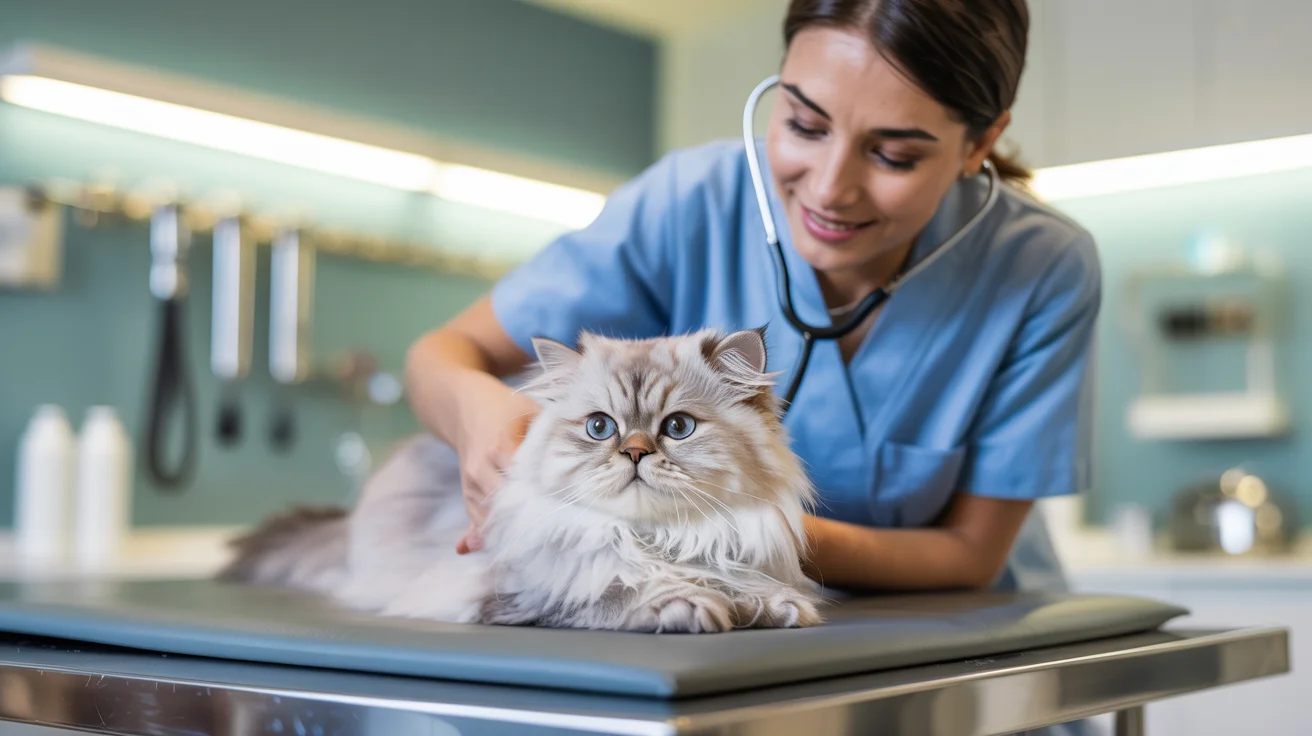
Most cat insurance plans provide coverage for a wide range of conditions and treatments. Here’s what’s typically included:
Accidents
- Bite wounds and scratches from fights
- Broken bones and fractures
- Swallowed objects (string, rubber bands, toys)
- Poisoning and toxin ingestion
- Falls and high-rise syndrome
- Car accidents
- Burns and lacerations
Illnesses
- Urinary tract infections and blockages
- Kidney disease (very common in cats)
- Diabetes mellitus
- Cancer and tumors
- Hyperthyroidism
- Respiratory infections
- Digestive issues (IBD, pancreatitis)
- Heart disease
- Feline leukemia and FIV
Additional Coverage (Varies by Provider)
- Dental disease and extractions
- Hereditary and congenital conditions
- Behavioral therapy (anxiety, aggression)
- Alternative treatments (acupuncture, laser therapy)
- Prescription medications
- Emergency boarding
- Lost pet advertising
Cat-Specific Health Concerns to Consider

When choosing cat insurance, consider these common feline health concerns that drive most claims:
Most Common Cat Insurance Claims
- Urinary issues: FLUTD, crystals, blockages—especially common in male cats. Can be fatal if untreated.
- Gastrointestinal problems: Vomiting, diarrhea, IBD, pancreatitis. Cats are prone to digestive issues.
- Dental disease: 70% of cats have dental disease by age 3. Extractions are expensive.
- Skin conditions: Allergies, dermatitis, parasites, ringworm.
- Kidney disease: Affects 30% of cats over age 10. Requires lifelong management.
Breed-Specific Concerns
If you have a purebred cat, ensure your policy covers these breed-related conditions:
- Persian cats: Respiratory issues (flat face), kidney disease (PKD), eye problems
- Siamese cats: Heart disease, respiratory problems, crossed eyes
- Maine Coons: Heart disease (HCM), hip dysplasia, spinal muscular atrophy
- Ragdolls: Heart disease (HCM), bladder stones
- Bengal cats: PRA (eye disease), heart conditions, patellar luxation
- Scottish Folds: Osteochondrodysplasia (joint/bone issues)
- Sphynx: Heart disease (HCM), skin conditions, dental issues
Tips for Choosing the Best Cat Insurance

Follow these expert tips to find the perfect coverage for your feline friend:
1. Get Coverage Early
Insure your cat when they’re young (ideally as a kitten) to lock in lower rates and avoid pre-existing condition exclusions. The best time to get insurance is before any health issues develop.
2. Compare Multiple Quotes
Prices vary significantly between providers—always get quotes from at least 3-5 companies. Use comparison tools to evaluate coverage side-by-side.
3. Read the Fine Print
Understand waiting periods, exclusions, and what happens if your cat develops a chronic condition. Pay special attention to how pre-existing conditions are defined.
4. Consider Your Cat’s Lifestyle
Indoor cats may qualify for lower rates because they face fewer accident risks. Outdoor cats need more comprehensive coverage.
5. Check for Multi-Pet Discounts
If you have multiple cats (or other pets), bundling policies can save 5-10% per pet. Some providers offer significant family discounts.
6. Understand Reimbursement Options
Choose between actual vet bill reimbursement (most common) or benefit schedule (fixed amount per condition). Actual bill reimbursement is typically better.
7. Consider Annual Limits
For peace of mind, consider unlimited annual limits. However, a $15,000-$20,000 limit is usually sufficient for most cats.
Senior Cat Insurance Considerations

If you have a senior cat (8+ years) or are considering adopting an older cat, here’s what you need to know:
Options for Senior Cats
- Spot, Lemonade, ASPCA: No upper age limit for enrollment
- Embrace: Maximum enrollment age of 14 years
- Pets Best: No upper age limit
What to Expect
- Higher premiums (30-50% more than adult cats)
- More thorough health screening before approval
- Potential pre-existing condition exclusions
- Consider accident-only coverage for budget savings
Understanding Cat Insurance Claims
Knowing how the claims process works helps you maximize your benefits:
Step-by-Step Claims Process
- Visit your veterinarian: Take your cat to any licensed vet—most insurers don’t have network restrictions
- Pay the bill: Pay your vet at time of service (some insurers offer direct pay options)
- Submit your claim: Via mobile app, online portal, email, or mail
- Claim review: Insurance company verifies coverage and calculates reimbursement
- Receive payment: Via direct deposit or check (typically 2-14 days)
Tips for Faster Claims
- Use the mobile app for instant submission
- Include all itemized invoices and medical records
- Submit claims promptly (many have 90-180 day deadlines)
- Keep copies of all veterinary records
- Set up direct deposit for faster reimbursement
Comparing Cat Insurance: Key Metrics
When evaluating cat insurance policies, pay attention to these critical metrics:
Reimbursement Rate
What percentage of covered expenses you get back:
- 70%: Lowest cost, highest out-of-pocket
- 80%: Best balance for most cat owners
- 90%: Maximum coverage, higher premiums
Annual Deductible Types
- Annual deductible: Pay once per year, then covered for all conditions
- Per-condition deductible: Pay once per condition, covered for life of that issue
Annual Limits
- $5,000: Budget option, may not cover major emergencies
- $10,000-$15,000: Adequate for most cats
- Unlimited: Maximum protection, peace of mind
Indoor vs. Outdoor Cat Insurance
Your cat’s lifestyle affects both premium costs and coverage needs:
Indoor Cats
- Lower accident risk (no cars, fights, predators)
- May qualify for lower premiums with some insurers
- Still need illness coverage (cancer, diabetes, kidney disease)
- Foreign object ingestion still common (string, rubber bands)
Outdoor/Indoor-Outdoor Cats
- Higher accident risk (trauma, fights, toxins)
- Higher premiums to reflect increased risk
- Need comprehensive accident and illness coverage
- Consider emergency care and hospitalization limits
Kitten vs. Adult Cat Insurance
When you enroll your cat makes a significant difference:
Insuring Kittens (8 weeks – 1 year)
- Lowest premiums: Lock in rates before age-related increases
- No pre-existing conditions: Everything covered
- Lifetime coverage: Build history with one insurer
- Consider wellness add-on: Covers vaccines and spay/neuter
Insuring Adult Cats (1-7 years)
- Moderate premiums: Still affordable coverage
- Review medical history: Any existing conditions won’t be covered
- Good value: Less likely to have pre-existing exclusions than seniors
Insuring Senior Cats (8+ years)
- Higher premiums: Reflect increased health risks
- Pre-existing conditions likely: May have exclusions
- Still worthwhile: Cancer and chronic disease are common in seniors
- Consider accident-only: More affordable option for older cats
Multi-Cat Household Savings
If you have multiple cats, you can save significantly:
Multi-Pet Discounts
- ASPCA: 10% discount per additional pet
- Embrace: 5-10% multi-pet discount
- Spot: Multi-pet discount available
- Lemonade: Bundle policies for savings
Managing Multiple Cat Policies
- Keep all policies with one insurer for easier management
- Stagger renewal dates if needed for cash flow
- Track each cat’s claims and deductible status separately
- Consider different coverage levels based on each cat’s needs
Common Cat Insurance Mistakes to Avoid
1. Waiting Too Long to Enroll
Once your cat develops a health issue, it becomes pre-existing and won’t be covered. Enroll while your cat is healthy.
2. Choosing the Cheapest Policy
Low premiums often mean inadequate coverage. Evaluate coverage limits, exclusions, and reimbursement rates—not just monthly cost.
3. Not Understanding Waiting Periods
Coverage doesn’t start immediately. Don’t expect claims to be paid for conditions that develop during waiting periods.
4. Ignoring Breed-Specific Needs
If you have a purebred cat prone to specific conditions, ensure those conditions are covered by your policy.
5. Not Reading the Fine Print
Understand exclusions, annual limits, and how pre-existing conditions are defined before committing.
Cat Insurance vs. Cat Savings Account
Some owners wonder if they should just save money instead of buying insurance:
When Insurance Makes More Sense
- You don’t have $5,000+ readily available for emergencies
- You want predictable monthly costs
- Your cat is young with no health issues
- You couldn’t make cost-based medical decisions
When Savings Might Work
- You have substantial emergency funds ($10,000+)
- Your cat is older with pre-existing conditions
- You’re financially disciplined and won’t touch the funds
- You can handle cost-based medical decisions emotionally
Real Customer Experiences
Here’s what cat owners say about their insurance claims:
Positive Experiences
- “My cat needed emergency surgery for a blockage—$4,500 bill. Insurance reimbursed $3,600 within 5 days.” – Sarah M.
- “Diagnosed with diabetes at age 10. Insurance has covered ongoing insulin and monitoring for 3 years.” – Mike T.
- “Lemonade approved my claim in under 3 hours via their app. Amazing service.” – Jennifer K.
Lessons Learned
- “I wish I’d enrolled my cat as a kitten—now his dental disease isn’t covered.” – Lisa P.
- “Read the fine print! I didn’t realize there was a 6-month waiting period for some conditions.” – David R.
Frequently Asked Questions
Is cat insurance worth it?
Yes, especially for comprehensive accident and illness coverage. Even indoor cats can develop expensive conditions like urinary blockages ($3,000+), cancer ($5,000+), or diabetes (ongoing costs). Insurance provides peace of mind and financial protection.
What’s the best age to insure my cat?
As soon as possible! Most insurers accept kittens from 8 weeks old. Enrolling early means lower premiums and no pre-existing condition exclusions.
Does cat insurance cover dental work?
Many comprehensive plans cover dental disease and extractions if not pre-existing. Routine cleanings typically require a separate wellness add-on. Dental coverage is increasingly important as dental disease is very common in cats.
Can I use any veterinarian?
Yes, most pet insurance plans allow you to visit any licensed veterinarian, specialist, or emergency clinic anywhere in the US (and often worldwide).
How do cat insurance claims work?
You pay your vet bill upfront, then submit a claim (via app, online, or mail). After review, you receive reimbursement based on your coverage level minus your deductible. Some insurers offer direct vet pay at participating clinics.
Is there pet insurance for indoor cats only?
While there’s no “indoor-only” policy, indoor cats often qualify for lower premiums because they’re at lower risk for accidents and injuries. Mention your cat is indoor-only when getting quotes.
What’s not covered by cat insurance?
Pre-existing conditions, elective procedures, cosmetic surgeries, breeding expenses, and routine/preventive care (unless you add a wellness plan) are typically excluded.
How long before coverage starts?
Most policies have waiting periods: 0-14 days for accidents, 14-30 days for illnesses, and 6-12 months for orthopedic conditions. Coverage begins after the waiting period ends.
Can I cancel my cat insurance anytime?
Yes, most providers allow cancellation anytime. Many offer pro-rated refunds if you cancel mid-term. There are typically no penalties for cancellation.
Does cat insurance cover vaccines?
Standard accident and illness policies do not cover vaccines. You’ll need to add a wellness or preventive care rider for vaccinations, which typically costs $10-30/month extra.