Disclosure: This post contains affiliate links. We may earn a commission at no extra cost to you.

Understanding How Pet Insurance Works
Pet insurance is a type of health coverage designed specifically for dogs, cats, and sometimes other animals. Unlike human health insurance, pet insurance uses a reimbursement model—you pay the vet bill first, then file a claim to get money back.
The basic principle is simple: you pay a monthly premium to an insurance company, and in return, they help cover the cost of unexpected veterinary expenses. This can include accidents, illnesses, surgeries, medications, diagnostic tests, and emergency care.
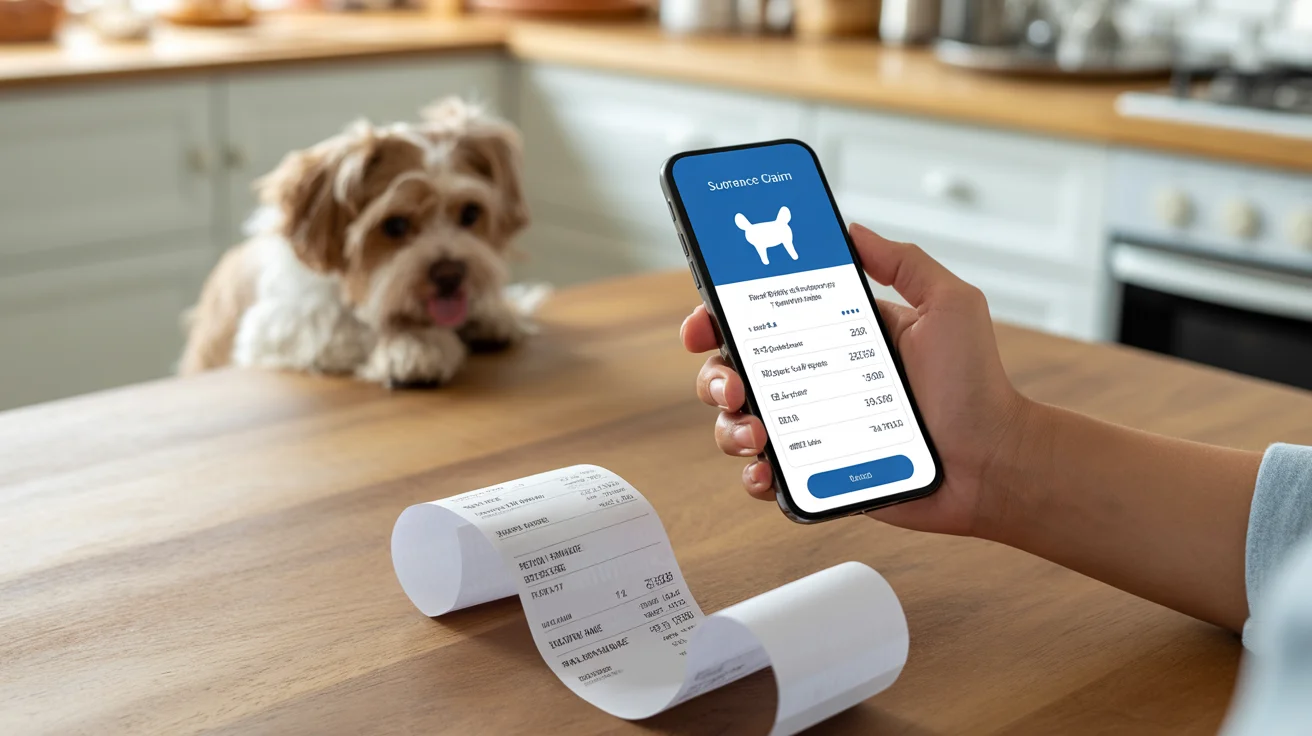
The Pet Insurance Process: Step by Step
Step 1: Choose a Policy
Research and compare pet insurance providers based on:
- Coverage types (accident-only, accident & illness, wellness)
- Monthly premium costs
- Deductible options
- Reimbursement percentages (70%, 80%, or 90%)
- Annual coverage limits
- Exclusions and waiting periods
Step 2: Enroll Your Pet
When enrolling, you’ll typically provide:
- Your pet’s name, breed, and age
- Medical history (some companies request vet records)
- Your contact and payment information
Step 3: Wait Through the Waiting Period
Most policies have waiting periods before coverage begins:
- Accidents: 2-14 days
- Illnesses: 14-30 days
- Orthopedic conditions: 6-12 months (some policies)
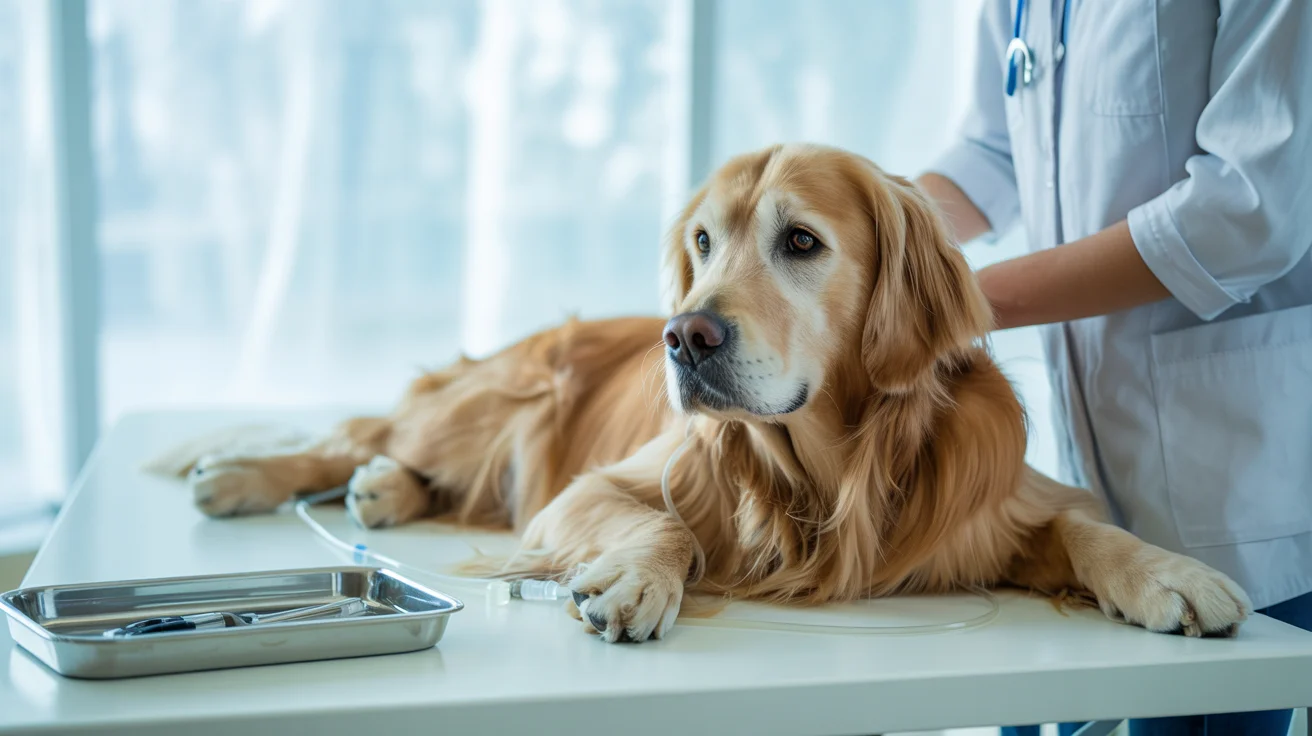
Step 4: Your Pet Gets Medical Care
When your pet needs veterinary attention, you:
- Take your pet to any licensed veterinarian (most plans have no network restrictions)
- Authorize treatment and pay the full bill upfront
- Keep all receipts, invoices, and medical records
Step 5: File a Claim
After paying the vet, submit your claim by:
- Logging into your insurance provider’s app or website
- Uploading the itemized invoice and any requested records
- Completing any required claim forms
Step 6: Receive Reimbursement
The insurance company reviews your claim and, if approved, reimburses you based on your policy terms. Reimbursement typically arrives within 5-14 days via direct deposit or check.

Key Pet Insurance Terms Explained
Premium
The amount you pay monthly or annually for coverage. Premiums vary based on your pet’s age, breed, location, and the coverage level you choose.
Deductible
The amount you pay out-of-pocket before insurance kicks in. Deductibles can be:
- Annual: Pay once per policy year, then coverage applies
- Per-incident: Pay for each new condition or accident
Reimbursement Rate
The percentage of covered costs the insurance company pays after you meet your deductible. Common options are 70%, 80%, or 90%.
Annual Limit
The maximum amount the insurance company will pay in a policy year. Limits range from $5,000 to unlimited coverage.
What Does Pet Insurance Cover?
Typically Covered
- Accidents (broken bones, poisoning, injuries)
- Illnesses (cancer, infections, digestive issues)
- Emergency care and hospitalization
- Surgery and anesthesia
- Prescription medications
- Diagnostic tests (X-rays, MRIs, bloodwork)
- Hereditary and congenital conditions (varies by policy)
Usually Not Covered
- Pre-existing conditions
- Routine wellness care (unless you add a wellness rider)
- Cosmetic procedures
- Breeding-related expenses
- Elective procedures

Types of Pet Insurance Coverage
Accident-Only Coverage
The most basic and affordable option. Covers injuries from accidents like:
- Broken bones from falls
- Bite wounds from other animals
- Swallowed foreign objects
- Toxic ingestion
- Car accidents
Accident and Illness Coverage
The most popular option. Covers accidents plus illnesses such as:
- Cancer
- Ear infections
- Allergies
- Diabetes
- Heart disease
- Arthritis
Comprehensive/Wellness Coverage
The most complete option. Includes accident and illness coverage plus routine care:
- Annual checkups
- Vaccinations
- Flea and tick prevention
- Dental cleanings
- Spay/neuter procedures

How Claims Are Calculated: An Example
Let’s say your dog needs surgery costing $4,000, and your policy has:
- $500 annual deductible
- 80% reimbursement rate
- $10,000 annual limit
Calculation:
- Total bill: $4,000
- Subtract deductible: $4,000 – $500 = $3,500
- Apply reimbursement rate: $3,500 × 80% = $2,800
- Insurance pays: $2,800
- Your out-of-pocket: $1,200 (instead of $4,000)
Tips for Using Pet Insurance Effectively
- Enroll early: Get coverage when your pet is young and healthy
- Read the fine print: Understand what’s covered and excluded
- Keep good records: Document your pet’s medical history
- File claims promptly: Submit within the required timeframe
- Review your policy annually: Make sure coverage still meets your needs
Understanding Different Types of Pet Insurance Coverage

Pet insurance comes in several coverage types, each designed for different needs and budgets:
Accident-Only Coverage
The most basic and affordable option, accident-only coverage protects against unexpected injuries:
- Broken bones and fractures
- Cuts, lacerations, and bite wounds
- Swallowed foreign objects
- Poisoning and toxic ingestion
- Car accidents and trauma
- Average cost: $10-20/month
Accident & Illness Coverage
The most popular option, providing comprehensive protection:
- All accident coverage, plus:
- Cancer treatment and chemotherapy
- Infections and digestive issues
- Allergies and skin conditions
- Hereditary and congenital conditions
- Chronic diseases (diabetes, arthritis)
- Average cost: $30-60/month
Wellness/Preventive Care
Optional add-on coverage for routine care:
- Annual examinations
- Vaccinations
- Flea and tick prevention
- Heartworm medication
- Dental cleanings
- Spay/neuter procedures
- Average cost: $15-30/month additional
The Claims Process: Step-by-Step

Here’s exactly what happens when you need to file a pet insurance claim:
Step 1: Visit Your Veterinarian
Take your pet to any licensed veterinarian, specialist, or emergency clinic. Unlike human health insurance, most pet insurance has no network restrictions—you can see any vet you choose.
Step 2: Pay the Bill
Pay your veterinary bill at the time of service. Keep all itemized receipts and invoices—you’ll need these for your claim. Some providers like Trupanion offer direct vet payment, where they pay the clinic directly.
Step 3: Submit Your Claim
File your claim through your insurer’s preferred method:
- Mobile app: Take photos of your receipts and submit instantly
- Online portal: Upload documents through the website
- Email: Send scanned documents to claims department
- Mail: Send physical copies (slowest option)
Step 4: Claim Review
The insurance company reviews your claim to verify:
- The condition is covered under your policy
- The treatment was medically necessary
- The costs are reasonable and customary
- No pre-existing condition exclusions apply
Step 5: Receive Reimbursement
Once approved, you’ll receive your reimbursement via direct deposit or check. Processing times vary:
- Lemonade: Seconds to hours (AI-powered)
- Most insurers: 2-14 business days
- Complex claims: May take longer if records needed
What Pet Insurance Doesn’t Cover

Every pet insurance policy has exclusions. Here’s what’s typically NOT covered:
Pre-Existing Conditions
Any condition that existed before coverage started or developed during the waiting period. This is the most important exclusion to understand:
- Diagnosed conditions in medical records
- Symptoms noted by vet before enrollment
- Chronic conditions like diabetes, allergies, or arthritis if present before coverage
Routine and Preventive Care
Standard policies don’t cover routine care (unless you add a wellness plan):
- Annual examinations
- Vaccinations and boosters
- Spay/neuter surgery
- Dental cleanings (routine)
- Flea, tick, and heartworm prevention
Elective and Cosmetic Procedures
- Ear cropping and tail docking
- Dewclaw removal (unless medically necessary)
- Declawing
Breeding-Related Expenses
- Pregnancy and birth complications
- C-sections
- Fertility treatments
How to Choose the Right Pet Insurance

Here are the key factors to consider when choosing pet insurance:
1. Reimbursement Percentage
How much of your covered vet bill will be paid back:
- 70% reimbursement: Lower premiums, more out-of-pocket
- 80% reimbursement: Balance of cost and coverage
- 90% reimbursement: Higher premiums, less out-of-pocket
2. Deductible Type
- Annual deductible: Pay once per year, then covered for the rest of the year
- Per-condition deductible: Pay once per condition, covered for life of that condition
3. Annual Limit
Maximum the insurer will pay per year:
- $5,000 limit: Budget-friendly but may not cover major emergencies
- $10,000-$15,000: Adequate for most situations
- Unlimited: Maximum protection, higher premiums
4. Waiting Periods
Coverage doesn’t start immediately:
- Accidents: 0-14 days
- Illnesses: 14 days (standard)
- Orthopedic conditions: 6-12 months (varies by insurer)
5. Covered Conditions
Check if these are included:
- Hereditary conditions (important for purebreds)
- Congenital conditions
- Alternative therapies (acupuncture, rehab)
- Behavioral treatments
- Prescription medications
Frequently Asked Questions
How quickly do pet insurance claims get processed?
Most claims are processed within 5-14 days. Some companies offer faster processing for urgent claims or if you submit through their mobile app.
Can I take my pet to any vet?
Yes! Unlike human health insurance, most pet insurance plans don’t have networks. You can visit any licensed veterinarian, emergency clinic, or specialist.
Does pet insurance cover pre-existing conditions?
Generally, no. Pre-existing conditions (any illness or injury that occurred before coverage started) are typically excluded. However, some “curable” conditions may become covered after a waiting period if they haven’t recurred.
What happens if I don’t use my pet insurance?
Unlike car insurance, pet insurance doesn’t have unused benefit rollover or refunds. However, you’re paying for peace of mind and financial protection against unexpected vet bills.
Can I get pet insurance for an older pet?
Yes, though premiums will be higher. Some companies have age limits (usually 10-14 years for enrollment), so it’s best to get coverage while your pet is younger.
The Bottom Line
Pet insurance works by providing financial protection against unexpected veterinary costs. You pay a monthly premium, and in exchange, the insurance company helps cover eligible expenses when your pet needs medical care.
Understanding how pet insurance works—including deductibles, reimbursement rates, and claim processes—helps you choose the right policy and get the most out of your coverage. The best time to get pet insurance is when your pet is healthy, before any conditions develop that could be excluded.
Pet Insurance: Pros and Cons Worth Considering
Before purchasing a pet insurance policy, it’s worth understanding both the advantages and disadvantages of coverage. This will help you make an informed decision about whether pet insurance is the right choice for your puppy, kitten, or adult pet.
Advantages of Pet Insurance
- Financial protection against unexpected treatment costs: Emergency surgery or chronic illness treatment can cost thousands of dollars. Insurance provides a safety net.
- Peace of mind: Knowing you can afford the best treatment for your pet without devastating your finances.
- Freedom to choose any veterinarian: Most policies don’t restrict you to a network, so you can visit specialists when needed.
- Coverage grows with your pet: Enroll your puppy or kitten early to lock in lower rates before any health issues develop.
- Multiple coverage options: Choose the policy that fits your budget and your pet’s needs.
Disadvantages of Pet Insurance
- Monthly premium costs: You’ll pay premiums whether your pet needs treatment or not.
- Pre-existing conditions aren’t covered: Any condition diagnosed before enrollment is typically excluded.
- Reimbursement delays: You pay upfront and wait for reimbursement, which can take 5-14 days.
- Some treatments may be excluded: Not all policies cover dental care, alternative therapies, or breed-specific conditions.
- Annual limits may apply: Coverage caps could leave you paying out-of-pocket for expensive long-term treatment.
Is Pet Insurance Worth It for Puppies and Kittens?
Getting pet insurance for your puppy or kitten is generally considered one of the smartest financial decisions a new pet owner can make. Here’s why coverage for young pets is worth considering:
Why Insure a Puppy or Kitten Early?
Young pets are surprisingly accident-prone. Puppies explore the world with their mouths, often swallowing objects that require emergency treatment. Kittens climb, jump, and can easily injure themselves. In fact, foreign object ingestion and fractures are among the most common claims for pets under one year old.
Additionally, enrolling your puppy or kitten before any health issues develop means you’ll have coverage for hereditary conditions that might appear later. Many breeds are prone to specific health problems—like hip dysplasia in large dogs or heart conditions in certain cat breeds—that can be covered if your policy is in place before symptoms appear.
Cost Savings Over Time
Pet insurance premiums increase with age. A policy for a 1-year-old Labrador Retriever might cost $40/month, while the same coverage for a 7-year-old could cost $70-100/month. By insuring your puppy early, you lock in lower rates and ensure continuous coverage throughout your pet’s life.
Understanding the Claims Process in Detail
Knowing how the claims process works helps you maximize your pet insurance benefits and get reimbursement faster.
Step-by-Step Claims Guide
- Pay your vet bill: Most pet insurance requires you to pay the veterinarian directly at the time of treatment.
- Gather documentation: Keep all invoices, medical records, and receipts from your veterinary visit.
- Submit your claim: Use your insurance company’s app, website, or email to submit claim documents. Most companies have user-friendly mobile apps for quick submissions.
- Wait for review: The insurance company reviews your claim to verify it’s covered under your policy.
- Receive reimbursement: Once approved, you’ll receive payment via direct deposit or check, typically within 5-14 business days.
Tips for Faster Claim Processing
To speed up the treatment reimbursement process:
- Keep your pet’s medical records updated with your insurance company
- Submit claims promptly—ideally within 90 days of treatment
- Ensure all documentation is clear and complete
- Use your insurance company’s mobile app for fastest submission
- Set up direct deposit for quicker reimbursement
What Factors Affect Your Pet Insurance Premium?
Understanding what affects your policy cost helps you find coverage that’s worth the investment for your specific situation.
Age
Younger pets cost less to insure. Premiums increase as your pet ages because older animals are more likely to need treatment for age-related conditions.
Breed
Some breeds are prone to hereditary conditions that increase insurance costs. For example, French Bulldogs often face respiratory issues, while large breeds like Great Danes may develop joint problems requiring expensive treatment.
Location
Veterinary costs vary by region. Pet owners in major cities typically pay higher premiums because veterinary treatment costs more in urban areas.
Coverage Level
Higher reimbursement percentages, lower deductibles, and higher annual limits all increase your premium but provide better financial protection.
When to Use Pet Insurance vs. Paying Out-of-Pocket
Not every veterinary visit warrants a claim. Understanding when to use your insurance helps you maximize its value.
File a Claim When:
- Treatment costs exceed your deductible
- Your pet needs emergency surgery or hospitalization
- Diagnostic tests reveal a new covered condition
- Ongoing treatment for chronic illness is required
- Specialist consultations are needed
Consider Paying Out-of-Pocket When:
- Treatment costs are less than your deductible
- The visit is for routine wellness care not covered by your policy
- You’ve already met your annual limit for the year